If you've ever watched a bee land on a flower, you've seen the quiet magic of pollination at work. Animals are more than part of the scenery—they're essential partners in agriculture.
Without their movements and interactions, many plants would fail to reproduce, and our food systems would look very different.
The Power of Pollinators
Pollination is the transfer of pollen from one flower to another, allowing plants to produce seeds and fruit. While wind can carry pollen, animals are far more precise and efficient. Bees, butterflies, birds, and even some mammals play vital roles. Their activity ensures that flowers are fertilized, increasing both crop yield and diversity.
Bees and Insects: Honeybees and bumblebees are the poster children of pollination. A single bee colony can pollinate millions of flowers in a season. Butterflies and moths also contribute, visiting flowers for nectar and inadvertently transferring pollen.
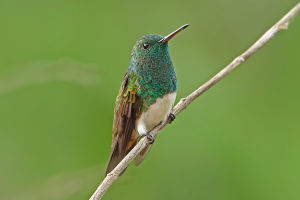
Birds: Hummingbirds and sunbirds visit flowers for nectar, spreading pollen as they go. In some regions, they are responsible for pollinating plants that insects rarely visit.
Mammals: While less obvious, bats, squirrels, and even some primates contribute to pollination. Bats, for instance, are crucial for night-blooming flowers, while other mammals help transport pollen over longer distances.
Beyond Pollination: Soil and Crop Health
Animals influence agriculture not only through pollination but also by improving soil health. Earthworms aerate the soil as they tunnel, enhancing nutrient circulation and water absorption. Birds feed on pests, reducing the need for chemical pesticides, while grazing animals contribute natural fertilizers. This interconnectedness maintains fertile land and helps crops thrive naturally. The presence of diverse animal species also stabilizes ecosystems, supporting plant resilience and increasing biodiversity on farmland.
Specialized Plant-Animal Relationships
Some plants and animals have evolved tightly linked partnerships. Certain orchids are pollinated by a single insect species, relying entirely on its behavior. Fig trees and fig wasps are another example—each depends on the other to reproduce. These relationships demonstrate how delicate and precise ecological networks can be. If one species declines, the consequences ripple through the ecosystem, affecting not just plants but the animals that depend on them.
Challenges to Pollination
Modern agriculture faces threats that affect animal-assisted pollination. Habitat loss, pesticide use, and climate change reduce pollinator populations, which in turn affects crop yields. Honeybee colonies have faced significant declines in recent decades, and wild pollinators are not immune. Protecting these animals is crucial for sustainable food production.
Supporting Animal Helpers
Farmers and gardeners can take simple steps to support pollinators and other helpful species:
Plant diverse flowers: Different blooms attract a range of pollinators, extending feeding opportunities throughout the season.
Limit pesticide use: Reducing chemicals helps prevent accidental harm to beneficial insects and animals.
Create habitats: Nesting boxes, hedgerows, and undisturbed areas provide shelter for pollinators and pest controllers.
A Personal Takeaway
Watching a bee hover over a flower or a bat swoop at dusk is more than a charming scene—it's a glimpse into a system that sustains life. Animals quietly underpin the food we eat, the plants we cultivate, and the health of entire ecosystems.
Recognizing and protecting these roles reminds us that agriculture isn't just human effort; it's a partnership with the creatures around us. By valuing every insect, bird, and mammal involved, we safeguard the future of our food and the balance of nature, ensuring this partnership continues to flourish for generations to come.