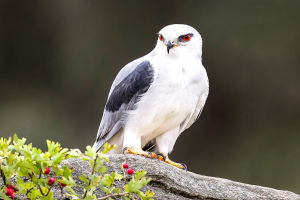
Have you ever wandered through a wetland and spotted a large, graceful bird with deep purple plumage and a long, sharp beak?
The purple heron is one of nature's most striking and elusive creatures, often seen wading in marshes and lakes in search of its next meal.
The purple heron is one of nature's most striking and elusive creatures, often seen wading in marshes and lakes in search of its next meal. With its vibrant colors and stealthy hunting techniques, this bird is both a marvel to watch and an expert in survival.
Physical Appearance: A True Master of Camouflage
One of the first things you'll notice about the purple heron is its elegant appearance. The bird's beauty isn't just about its colors but also how it blends into its environment.
Coloration and Plumage: The purple heron boasts a striking mix of deep purple, rust-red, and brown feathers, making it stand out against the green of the wetlands. This coloration is perfect for blending into the reeds and grasses of marshy habitats, offering excellent camouflage from predators and prey alike.
Long Neck and Beak: The heron's long neck is one of its most distinctive features. It is used for both striking and foraging in the shallow waters where the bird hunts. The sharp, pointed beak is ideal for catching fish, amphibians, and small reptiles, which make up the bulk of its diet.
Size and Posture: Purple herons are medium-sized birds, standing up to 90 cm tall, with wingspans that stretch up to 1.6 meters. Their slender build and graceful posture add to their majestic look as they stalk their territory or soar through the skies.
This unique combination of colors and physical traits makes the purple heron one of the most visually captivating birds in the wetlands.
Hunting Techniques: Stealth in Action
The purple heron's hunting techniques are as refined as its appearance. The bird relies on patience, precision, and excellent timing to catch its prey.
Stalking and Ambushing: Purple herons often hunt by standing still in shallow water, waiting for small fish or amphibians to swim by. They have a unique ability to blend into their surroundings, making them nearly invisible to their prey. Once they spot a target, they strike quickly and efficiently with their sharp beaks.
Feeding Behavior: These herons feed primarily on fish, frogs, and small aquatic creatures. They use their sharp beaks to catch prey, often swallowing it whole. Unlike some birds that rely on speed, purple herons depend on their patience, remaining motionless for long periods to remain undetected.
Adaptation to Different Environments: Whether hunting in freshwater or brackish wetlands, purple herons are adaptable predators. Their long legs allow them to wade in deeper waters, while their keen eyesight helps them spot prey from a distance. This versatility is key to their survival in varying habitats.
The purple heron's ability to remain undetected and strike with precision is a testament to its evolution as a skilled and patient hunter.
Nesting and Reproductive Behavior: A Delicate Dance
The purple heron's nesting habits are just as fascinating as its hunting techniques. These birds are both solitary and social when it comes to reproduction.
Building the Nest: Purple herons typically build their nests in tall reed beds or trees near water. They construct their nests from reeds and other vegetation, creating a safe space for their eggs. The nests are often large and well-constructed, providing protection from predators.
Mating Rituals: During the breeding season, male purple herons perform intricate courtship displays to attract females. These displays may involve showing off their long necks and engaging in synchronized movements. The male's vivid plumage and graceful movements are key to convincing a female that he is a suitable mate.
Raising the Chicks: After mating, the female lays a clutch of 3-5 eggs. Both parents share the responsibility of incubating the eggs and keeping them warm. Once the chicks hatch, both parents work together to feed and protect them. The chicks are fed regurgitated food, and they grow rapidly, leaving the nest after just a few weeks.
This strong family bond ensures the survival of the next generation, with both parents playing crucial roles in raising their young.
Conservation and Habitat: Protecting a Stealthy Species
The purple heron may be one of the most elusive birds in the wild, but it is not without its challenges. Habitat loss and human activity have impacted its populations, making conservation efforts essential.
Wetland Destruction: Purple herons rely on wetlands for both food and nesting sites. However, many wetland habitats are being drained or destroyed for agricultural and industrial development. This habitat loss poses a significant threat to the species.
Conservation Efforts: Several organizations and government bodies are working to preserve wetland habitats and protect the purple heron. Protected areas, where herons can breed and feed undisturbed, are key to the species' survival. Additionally, efforts to reduce pollution in freshwater bodies have helped improve conditions for the heron's prey.
The Importance of Awareness: Educating the public about the importance of wetlands and the need to protect species like the purple heron is vital for future conservation. Simple actions, such as reducing water pollution or supporting local conservation programs, can make a big difference in preserving the delicate balance of these ecosystems.
Efforts to conserve wetland habitats are crucial for ensuring that the purple heron continues to thrive in its natural environment.
The purple heron, with its grace and patience, offers a reminder of the delicate balance of nature. From its stunning appearance to its unique hunting skills, this bird is a true marvel of the wetland ecosystem. However, its future depends on our collective efforts to protect the habitats it relies on.
The next time you visit a wetland, take a moment to observe the elegance of the purple heron, and remember that conservation efforts are crucial to preserving the beauty and biodiversity of these habitats.