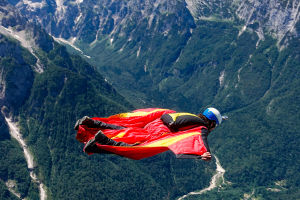
Imagine the thrill of gliding down a snow-covered mountain, the wind whipping past your face, and the rush of adrenaline as you carve through the snow. Skiing is a unique sport that blends excitement, technique, and a connection to nature.
Whether you're a beginner or a seasoned skier, mastering the slopes involves more than just picking up a pair of skis—it's about learning the right skills, understanding your gear, and building confidence with each descent
Getting Started: Essential Ski Gear
Before you hit the slopes, it's crucial to have the right gear. While you might be eager to start skiing, the equipment you use will make a huge difference in your comfort and safety.
1. Skis and Boots: Choosing the right skis and boots is key to having a smooth experience. Skis come in various shapes and sizes, so make sure to select ones that match your skill level. Beginners should look for shorter skis that are easier to control. Boots should fit snugly without being too tight, offering support while allowing for flexibility.
2. Poles and Helmet: Ski poles help with balance and turning, but they also play a role in helping you push off from flat ground. A well-fitted helmet is essential for safety, especially for beginners. It will protect your head in case of falls, which are pretty common as you learn.
3. Clothing and Accessories: Dress in layers, as skiing can be physically demanding. Start with a moisture-wicking base layer, followed by an insulating layer, and finish with a waterproof outer layer. Don't forget gloves, goggles, and warm socks to keep you comfortable on the slopes.
Mastering the Basics: Skiing Techniques for Beginners
Now that you're equipped and ready, it's time to focus on learning the fundamentals of skiing. The first few lessons are about building confidence and understanding how to move on skis.
1. Getting the Right Stance: Your stance is crucial for balance and control. Stand with your knees slightly bent, hips level, and arms out in front for stability. Keep your weight forward on your skis, and avoid leaning back.
2. Turning and Stopping: To turn, tilt your body slightly in the direction you want to go while shifting your weight to the inside edge of the ski. To stop, practice the snowplow position (making a "pizza" shape with your skis) to control your speed and gently come to a halt.
3. Practice on Gentle Slopes: Start on the easiest slopes, often marked as “green” trails. These are gentle and allow you to practice basic skills like turning and stopping without feeling overwhelmed.
Building Confidence: Intermediate Skiing Tips
Once you've mastered the basics, it's time to push yourself further and build your skiing confidence. At this stage, you'll start gaining more control and working on your technique.
1. Parallel Skiing: As you become more comfortable, work on keeping your skis parallel rather than in the snowplow position. This allows for better control and faster turns. It may feel tricky at first, but with practice, you'll get the hang of it.
2. Learn to Ski on Steeper Slopes: Gradually move to more challenging slopes (blue or black trails), but take your time. Practice turning and stopping at higher speeds, and focus on controlling your movements, especially when dealing with steeper terrain.
3. Use the Ski Lift: Mastering the ski lift is an important part of skiing. When you approach the lift, make sure to line up properly, and when it's your turn, glide smoothly onto the chair. On the way down, try to stay balanced and remember to get off gracefully at the end.
Advanced Skiing: Refining Your Skills
If you're looking to take your skiing to the next level, it's time to focus on refining your skills. Advanced skiers can tackle steeper, more challenging terrain with ease, but it requires practice and a deeper understanding of technique.
1. Carving: Carving is a technique where you make precise turns by using the edges of your skis. To carve, lean into the turn and shift your weight to the edge of the ski. The more you carve, the smoother and faster your ride will become.
2. Moguls and Off-Piste Skiing: Moguls are bumps formed by skiers making turns. Skiing them requires quick, short turns and good control. Off-piste skiing (skiing on ungroomed terrain) offers a completely different challenge. You need to be well-prepared and have advanced skills to handle unpredictable conditions and deep snow.
3. Speed and Control: At advanced levels, you'll want to balance speed with control. Practice maintaining your balance at higher speeds while still having enough control to make sharp turns and stop when necessary.
Staying Safe and Enjoying the Ride
Skiing can be exhilarating, but it's also important to stay safe and enjoy the experience. Always ski within your skill level, and never hesitate to take breaks if you're feeling fatigued. Take lessons with a certified instructor to keep improving your skills and ensure proper technique.
Remember, skiing is as much about enjoying the outdoors and the freedom of the slopes as it is about perfecting technique. Embrace the journey, whether you're conquering your first green run or tackling the toughest moguls.
Skiing isn't just about reaching the top of the mountain—it's about the freedom you feel when you descend, the challenge of learning something new, and the satisfaction of improvement with every ride. So, take your time, enjoy the ride, and let the slopes become your playground.