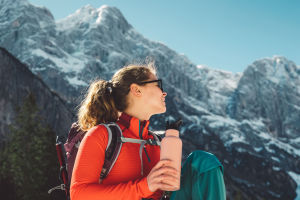
High-altitude trails can look inviting from below, but hiking higher into the mountains requires more preparation than a typical day hike. Thinner air, colder temperatures, changing weather, and steeper terrain can make familiar activities feel much harder.
Good preparation starts well before reaching the trailhead. By building fitness, planning the route, adjusting gradually to elevation, and carrying the right equipment, hikers can approach high-altitude trails with better control and confidence.
Research the Route First
Preparation begins with understanding exactly where the hike will take place. Hikers should check the trail's total distance, elevation gain, highest point, expected duration, and available water sources. A route that looks short on a map can still be demanding when it includes steep climbs and significant elevation changes.
Weather deserves particular attention. Conditions in mountainous areas can change quickly, and temperatures may be considerably lower at higher elevations. Check the forecast for the specific hiking area rather than relying only on conditions in the nearest town.
It is also useful to understand whether permits, trail restrictions, or local requirements apply. Knowing the route before arriving reduces unnecessary decisions during the hike.
Build Fitness Before the Trip
High-altitude hiking places greater demands on the body, so preparation should include regular physical activity. Walking, hiking, cycling, and other forms of cardiovascular exercise can help build endurance.
Strength training can also be useful, particularly exercises that work the legs and core. Squats, step-ups, lunges, and controlled stair climbing can prepare the muscles for repeated uphill and downhill movement.
However, fitness at lower elevations does not completely remove the challenges associated with altitude. Even an experienced hiker can feel the effects of reduced oxygen availability when climbing significantly higher than usual.
Allow Time to Acclimatize
One of the most important parts of high-altitude preparation is giving the body time to adjust. At higher elevations, the air contains less available oxygen with each breath. Moving too quickly to a high elevation can increase the risk of altitude-related illness.
When the itinerary allows, hikers can spend time at a moderate elevation before attempting the highest section of a route. A gradual approach gives the body more opportunity to adjust.
During this period, pay attention to how the body feels. Headache, unusual tiredness, dizziness, nausea, or difficulty coordinating movement can be warning signs that should not be ignored.
Pack for Changing Conditions
Equipment choices become especially important in the mountains. Clothing should be suitable for temperature changes, wind, and possible rain. Wearing several layers makes it easier to adjust as conditions change. A reliable hiking backpack should carry enough water and food for the planned outing, along with basic emergency supplies. A map or navigation device can help with route finding, particularly when visibility changes.
Other useful items may include sun protection, a headlamp, extra clothing, a first-aid kit, and suitable footwear. Trekking poles can also provide additional stability on steep or uneven sections. The goal is not to carry everything imaginable. Instead, pack equipment that directly supports the route, weather, duration, and level of difficulty.
Plan Food and Hydration
Hiking at elevation can make a demanding day feel even more tiring, so regular food and fluid intake matters. Carry enough water for the route while considering whether reliable refill points are available. Easy-to-carry foods that provide carbohydrates and other nutrients can be practical during long hikes. Eating small amounts regularly may be easier than waiting until hunger becomes intense.
Hikers should also avoid treating thirst or fatigue as something that must simply be pushed through. Taking regular breaks allows the body to recover and provides an opportunity to assess conditions before continuing.
Know When to Turn Back
Good preparation includes having a clear turnaround plan. Set a reasonable time or condition for stopping the ascent rather than deciding only after reaching a difficult section. If weather deteriorates, daylight is running short, the route becomes unsafe, or someone in the group develops concerning symptoms, turning around is a sensible part of mountain planning.
Reaching the highest point is not the only measure of a successful hike. Returning safely with enough energy and daylight to complete the route is equally important.
Preparing for a high-altitude trail is about more than improving fitness. Taking the time to prepare properly can make the experience more comfortable, controlled, and enjoyable from the first climb to the final descent.